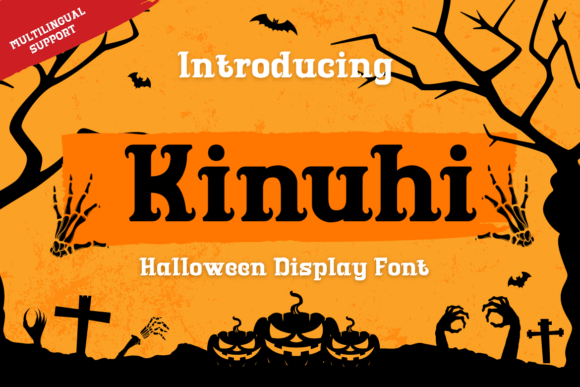
Kinuhi: A Creative Serif Font for Your Handmade Products
As I prepared mockups for a new collection of soy candle labels, I needed a typeface that felt grounded yet elegant. The artwork was simple, but the typography needed to carry a sense of warmth and substance. When I typed the scent name – ‘Forest Pine & Amber’ – using Kinuhi, the entire design clicked into place. The letters, with their classic serif structure and subtle modern details, felt like a handwritten note on a beautiful jar. That moment, seeing a simple font choice transform a blank label into a cohesive product, is the magic I want to share.
The Personality of Kinuhi in Your Designs
Kinuhi is a serif font with a distinct creative appeal. Its letters possess a sturdy, traditional foundation, but the overall style is clean and approachable. It doesn’t feel overly formal or rigid; instead, it offers a charm that’s both reliable and inviting. This makes Kinuhi incredibly versatile for makers. Its mood balances craftsmanship with clarity, perfect for projects that need to communicate quality and care. Whether your brand aesthetic is rustic farmhouse, minimalist modern, or classic romantic, Kinuhi can adapt to become a central piece of your visual story.
Bringing Kinuhi to Life on Real Products
Imagine pressing a freshly printed sticker sheet. The text, rendered in Kinuhi, feels substantial and intentional. This is the experience across countless handmade and printable items. For physical products, Kinuhi excels on candle labels, apothecary jars, and boutique product tags. Its clarity ensures the product name or ingredient list is legible, while its style elevates the perceived value. On wedding invitations, welcome signs, or place cards, Kinuhi provides a timeless backbone for your decorative elements. It frames dates and names with graceful authority.
In the digital space, Kinuhi becomes a powerful tool for printable wall art, planner pages, and digital download templates. Used for quotes, titles, or headers in your PDFs, it gives your creations a polished, ready-to-use feel that customers appreciate. For apparel like tote bags and mugs, where text is often a focal point, Kinuhi’s robust letterforms stand out beautifully, whether heat-pressed, screen-printed, or cut from vinyl. Even on small-scale items like enamel pins or delicate stickers, when used for short phrases or a single word, Kinuhi maintains its integrity and decorative strength.
Readability and Application Advice
Kinuhi is primarily a display font. It shines when used for product names, headlines, titles, short phrases, and decorative wording. For longer blocks of text on things like instruction cards or lengthy descriptions, pairing it with a simpler sans-serif or serif for the body copy is recommended. This keeps the overall design readable and balanced.
When preparing designs for cutting machines like Cricut or Silhouette, Kinuhi’s well-defined shapes usually vectorize cleanly for vinyl, cardstock, or sticker paper. For very small stickers or intricate cuts, test a sample at your intended size to ensure fine details remain clear. On printed labels and cards, Kinuhi renders beautifully at standard sizes, giving your mockups and final prints a professional finish. Always check your digital mockups at 100% scale to see how the font feels in context before sending to print or cutting.
Crafting a Cohesive Brand Story
A font like Kinuhi affects more than just a single item; it can weave consistency through your entire shop. Using it across your packaging, labels, and social media graphics creates a recognizable thread for your customers. This consistency builds trust and reinforces your brand identity. The emotional appeal is tangible: a font that feels handmade and thoughtful resonates with buyers seeking authenticity. Kinuhi can be that silent ambassador for your brand’s quality and attention to detail.
Pairing Kinuhi with Other Fonts
To build complete designs, font pairing is key. Kinuhi’s serif nature makes it a natural partner with a clean, neutral sans-serif font for body text. Think of a simple geometric sans for modern contrast, or a gentle handwritten script for a romantic, layered look on wedding stationery. For bold, graphic designs like sign work, pairing Kinuhi with a thicker display font can create impactful hierarchy. The goal is to let Kinuhi anchor the design as the primary voice, supported by other typefaces that handle secondary information.
Essential Considerations for Commercial Use
Before using Kinuhi on physical products, digital printables, or merchandise you intend to sell, a few practical steps are vital. First, review the font’s licensing to ensure it covers commercial use for your intended applications—whether for physical goods, templates, or digital downloads. Second, explore the included font files. Check for any alternate characters, ligatures, or swashes that can add unique flair to names or special words. Verify the supported file formats (like OTF, TTF) work with your design software. Also, consider if multilingual support is important for your market. These details ensure you can use the font confidently and creatively across all your projects.
Typography is a craft in itself. Choosing a font like Kinuhi is not just about picking a style; it’s about selecting a tool that brings your creative vision to life, from the first sketch on screen to the final product in hand. It’s the typeface on the candle label that makes someone pause, on the invitation that sets a tone, and on the shop sign that welcomes customers. It becomes part of your making story.