Monstone: A Decorative Font for Distinctive Business Branding
For many small businesses, the visual language of a brand—the logo, the packaging, the social media posts—is the first and most lasting impression you make. It tells customers who you are before they even read a word. In a crowded marketplace, your typography can be a secret weapon for standing out and building trust. Monstone is a decorative font designed to give your brand materials a unique, ancient-looking character that feels both timeless and memorable.
The Personality and Appeal of the Monstone Typeface
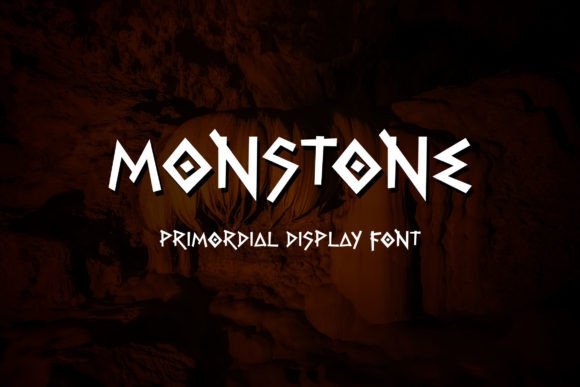
Monstone is not a minimalist, modern sans serif. It’s a display font with a distinctive personality. Its design evokes a sense of history, craftsmanship, and solidity. The characters have a weathered, stone-like quality that suggests something built to last. This isn’t about being trendy; it’s about conveying authenticity and a story. The mood is rustic, grounded, and often premium. For a business owner, this visual appeal translates to a brand feeling that is handcrafted, artisanal, or rooted in tradition.
Think of the brands that could benefit from this personality: a micro-brewery wanting to echo old-world tavern signage on its bottle labels, a handmade pottery studio, a boutique selling vintage-inspired jewelry, or a historical tour company. Even a modern coaching business focusing on foundational principles could use Monstone to suggest depth and permanence in its logo. It’s a creative font that adds a layer of meaning beyond the text itself.
Practical Applications Across Your Business Touchpoints
The real value of a font like Monstone comes from its consistent application across all the materials your customers see. Consistency builds recognition, and recognition builds trust. Let’s look at specific, real-world uses.
Core Brand Identity and Print Materials
Your logo is the anchor. Using Monstone as the primary typeface in your logo immediately sets a tone. It works beautifully for business names, especially shorter ones, where its decorative details can shine without becoming cluttered. From that logo, you extend the font to your business cards, stationery, and thank-you notes. A café could use Monstone for its name on the menu cover, creating an instant atmospheric cue. A candle maker could use it exclusively on their product labels and packaging design, making their entire line visually cohesive on a shelf.
Digital Presence and Social Media
Branding extends online. Monstone is perfect for creating standout headers and banners on your website. While it’s best used for headlines and titles due to its decorative nature, it can make your key messages pop. For social media graphics—Instagram posts announcing a new product, Pinterest pins featuring your handmade goods, or digital ads—using Monstone for the headline text ensures your brand look carries through from the physical product to the digital ad. It helps customers scrolling on their phones instantly recognize your style.
Marketing Collateral and Customer Experience
Consider your flyers, event banners, or window decals. Monstone gives these materials a premium feel, even if they’re simple print runs. Stickers used on packaging or as free gifts with purchase become tiny brand ambassadors when they feature your logo or a catchy phrase in this distinctive typeface. For a service provider like a landscape designer or a bespoke tailor, using Monstone on proposal covers or client welcome packets elevates the entire experience.
Strategic Use: Headlines, Accents, and Readability
Monstone is a display font. Its primary role is for emphasis, not for long bodies of text. Use it where you want to capture attention and convey brand personality: logos, headlines, product names on labels, section titles on menus, or key call-outs on flyers. It is your accent font, your brand’s vocal personality.
For all other text—descriptions, paragraphs, instructions, lists—you need a complementary font that is highly readable. This is where font pairing becomes essential. Pair Monstone with a clean, neutral sans serif font for modern contrast, or a classic serif font for a more traditional, editorial feel. For example, your café menu could have section titles (“House Blends,” “Pastries”) in Monstone, with the item descriptions and prices in a simple, readable sans serif. This pairing maintains brand voice while ensuring functionality.
Readability in practical settings is key. On small product labels, ensure the Monstone text is large enough for its details to be clear. On mobile screens, test that your headlines in Monstone are legible even as thumbnails. On printed packaging, a proof print is crucial to see how the font renders at your chosen size.
Testing and Integrating Monstone Into Your Brand
Before committing to Monstone across your entire brand identity, take a practical testing approach. Create mockups. Design a fake business card, a sample product label, and a simple website banner. See how the font feels in context. Does it align with the mood you want for your bakery brand or your online shop? Does it pair well with your existing color scheme? This hands-on test prevents a costly redesign later.
Also, and this is critical for any business use: check the commercial font licensing for Monstone. Before you use it on products you sell, on packaging that will be mass-produced, on client templates, or in digital downloads, confirm that your usage is covered by the license. Using a font correctly protects your business and respects the designer’s work. It’s a fundamental step in responsibly using any premium font as a design asset.
Realistic Examples for Inspiration
- A bakery specializing in sourdough could use Monstone for its shop sign and logo, then on its bread bag tags, creating a narrative of ancient baking techniques.
- A beauty product brand with natural, mineral-based ingredients could use Monstone on its jar and tube packaging to emphasize the elemental, pure quality of its formulas.
- An independent bookstore could use Monstone for its window decal and for special event posters, giving it a classic, literary feel.
- A startup founder selling handmade leather goods could use Monstone exclusively on her website’s product title banners and on the stamped logo on each item, tying the online and offline experience together.
Building a Cohesive and Trustworthy Brand Identity
Ultimately, choosing a typeface like Monstone is about making a deliberate decision for your brand’s visual language. When customers see the same distinctive style on your Instagram post, your product arriving in their mailbox, and the menu at your physical location, they build a subconscious trust in your consistency and professionalism. It signals that you pay attention to details, that you have a defined identity, and that you are intentional about your business.
Monstone offers a specific path to that cohesion: a decorative, ancient-looking aesthetic that speaks of authenticity. By using it strategically as your headline and accent font, pairing it with readable supporting typefaces, and applying it consistently across every customer touchpoint—from your digital ads to your physical packaging—you transform a single font into a powerful, recognizable pillar of your entire brand identity.